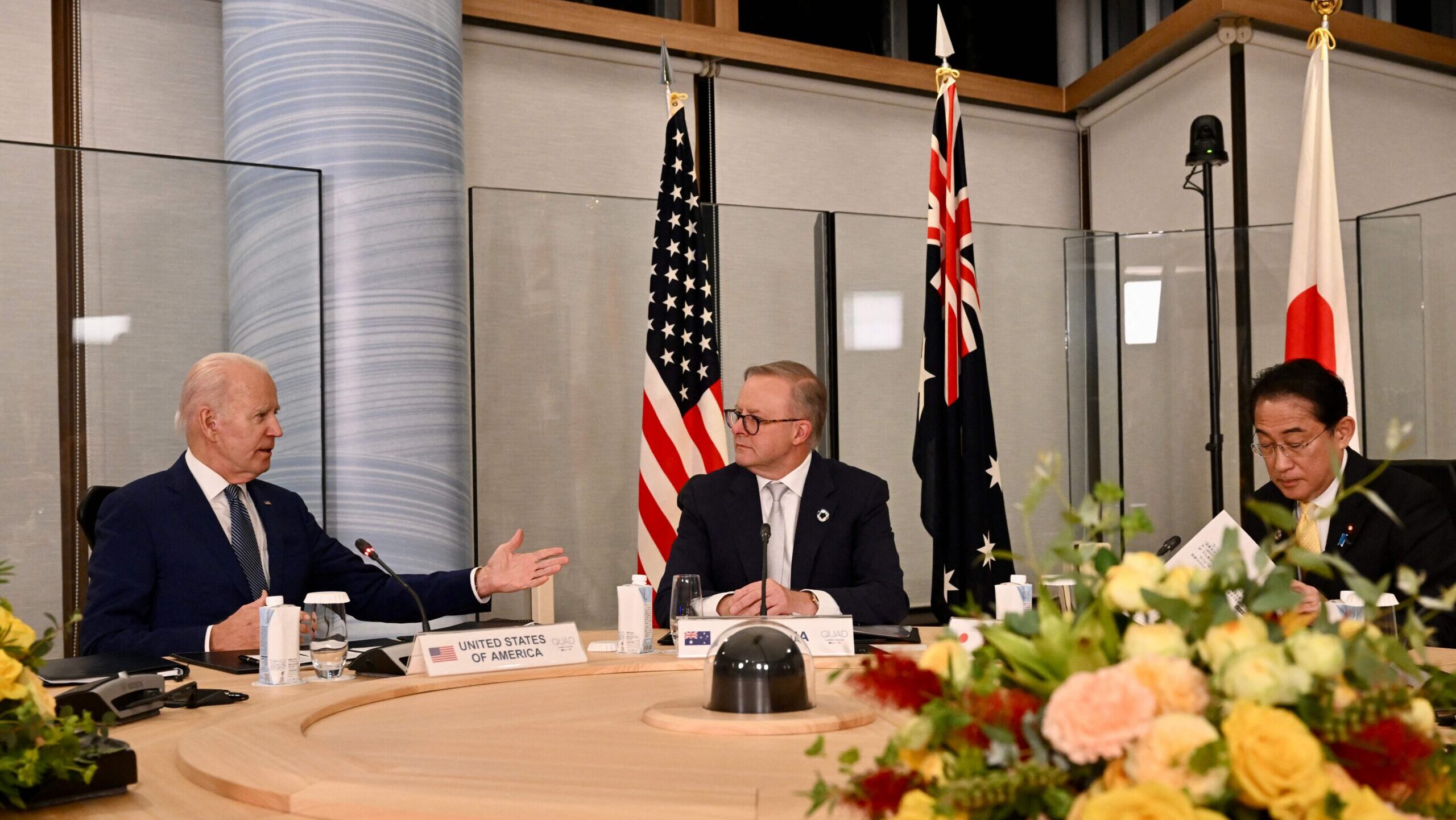
Is a US-Aussie-Japanese loyal wingman drone in the cards?
“Japan has a strong industrial base, and taking advantage of it for CCA development and production is a win-win-win,” said Mark Gunzinger of the Mitchell Institute.
“Japan has a strong industrial base, and taking advantage of it for CCA development and production is a win-win-win,” said Mark Gunzinger of the Mitchell Institute.
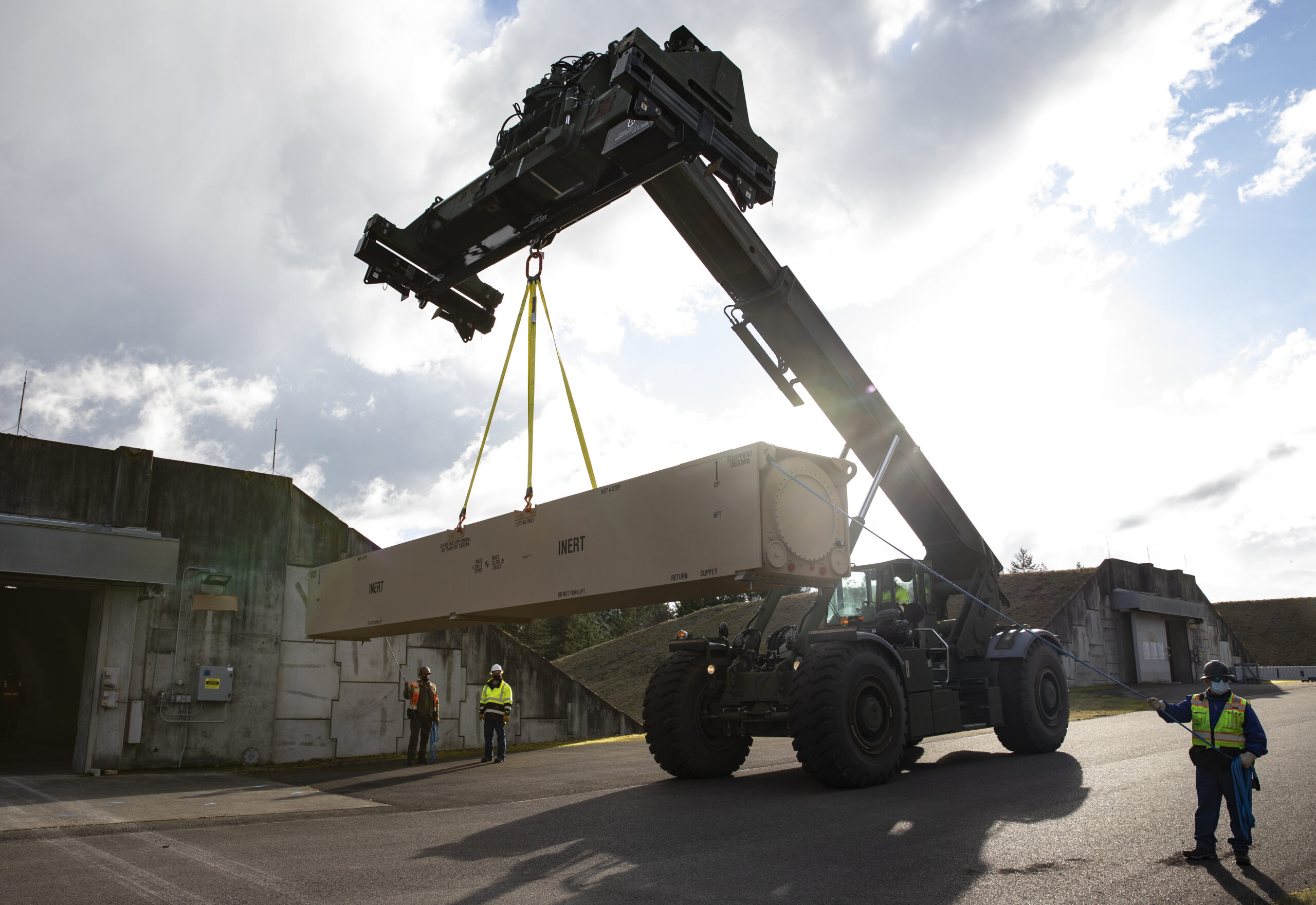
"It’s ultimately a political decision, and ... this demands a strong and fully staffed OSD," said Mackenzie Eaglen, of the American Enterprise Institute. "That doesn’t seem likely until much later this year."

Explore how software, edge AI and resilient connectivity can strengthen military logistics in contested environments. Join Breaking Defense on Oct. 21 and earn 1 CPE credit.

"The Air Force has been quite open about the need to develop a new generation of weapons that are smaller and better suited for stealth aircraft operations," says Mitchell Institute's Mark Gunzinger.

"For flying an instrument approach, having an AI copilot makes sense," says retired general 'Hawk' Carlisle, former head of Air Combat Command.

"I would argue, that's the tax. If you want airpower, if you want space power, then you have to be able to defend," Lt. Gen. Joseph Guastella, Air Force deputy chief of staff for operations, told the Mitchell Institute today.

"The business case is a naïve bet on out-year operating cost savings – that’s an act the Hill has seen before, and it never pays off," independent analyst Rebecca Grant says of the Digital Century Series concept.


A commitment to long-term operational value.

"The C-130 has been the most plus-upped aircraft in history," says Teal Group's Richard Aboulafia.
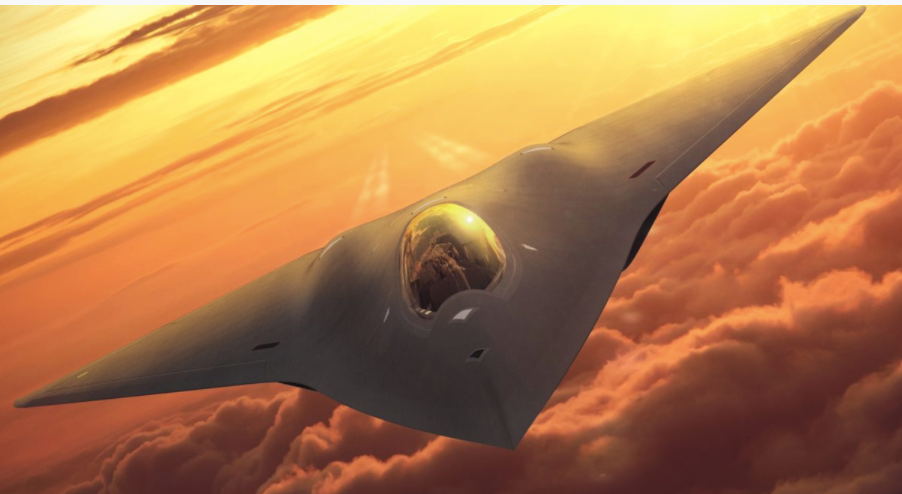
"With a flattening budget topline (at best) and many competing Air Force investment priorities, it’s not at all clear that this program will continue. We might just be left with a museum-ready prototype," Teal Group's Richard Aboulafia says.

"This is a fundamental roles and missions question, and DoD needs to clearly designate a lead service and compel the other services to follow that lead," says Todd Harrison, space and budget expert at the Center for Strategic and International Security.

The study cautions that no matter how smart, drones only "are complementary, force-multiplying capabilities, not replacements for 5th generation stealth aircraft" such as F-35 and F-22 fighter jets, and B-21 bombers.

AI is reshaping the Army’s approach to cyber, electronic warfare and command and control. At TechNet Augusta 2026, leaders outlined how they’re turning emerging technology into capabilities for the battlefield.
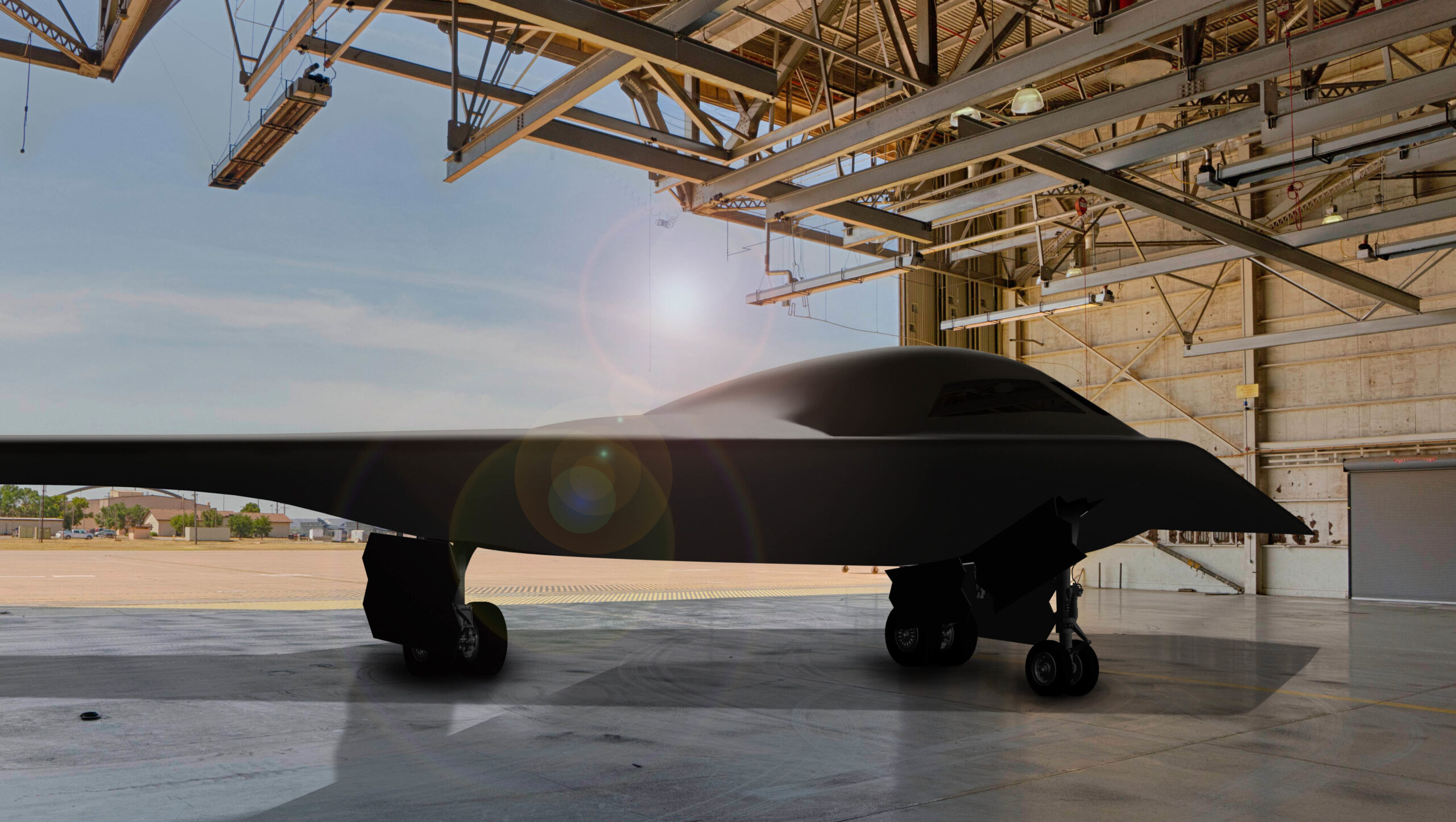
"I know we're not going to be immune from design flaws," Air Force RCO head Randy Walden said of the B-21 program. "We're going to have to work through those, and we're doing some of that today."

"Many believe that stealth is perishable," says Teal Group's Richard Aboulafia, thus increasing the need for suppression of enemy air defenses. Of course, a key requirement for the F-35 is that it can take out advanced air defenses.

Given the critical nature of National Security Space Launch, winners of the competition to replace the Atlas V and its Russian-made RD-180s engines should have the flexibility to adapt to unforeseen events, the self-knowledge and willingness to work closely with the Air Force, and a record of excellent performance to avoid wasteful contract award protests. […]

“I know $178 billion, by anybody’s standard, is a lot of money, but I gotta tell you, this is a million-man Army,” the deputy comptroller told reporters. But cutting manpower is off the table – for now.